Round Pool / Panel Scrub Brush Head
Our strongest starting point because Soft bristles and Round brush head make it a practical reference point for tank size, process intensity and batch workflow.
Dry brushing reduces water use and can work for loose dust, while wet cleaning is more useful when grime, bird droppings or adhered contamination will not release dry. The PV module manufacturer’s cleaning guidance should decide what is permitted.
A desert site with frequent dust can have a different maintenance plan from a rooftop near traffic, trees or industrial fallout. Water quality also matters because mineral-rich water can leave residue after the panel dries.
Use soft tools, light pressure and compatible water/cleaning chemistry. Never assume a brush is safe because it is marketed for windows; verify that bristle material and method fit the module warranty guidance.
For “Wet vs. Dry Solar Panel Cleaning: Which Is Better?,” these three models give you concrete products to compare against the requirements above, instead of leaving the answer at theory.

Our strongest starting point because Soft bristles and Round brush head make it a practical reference point for tank size, process intensity and batch workflow.

A useful second comparison because 50 in. handle and Hose attachment make it a practical reference point for tank size, process intensity and batch workflow.

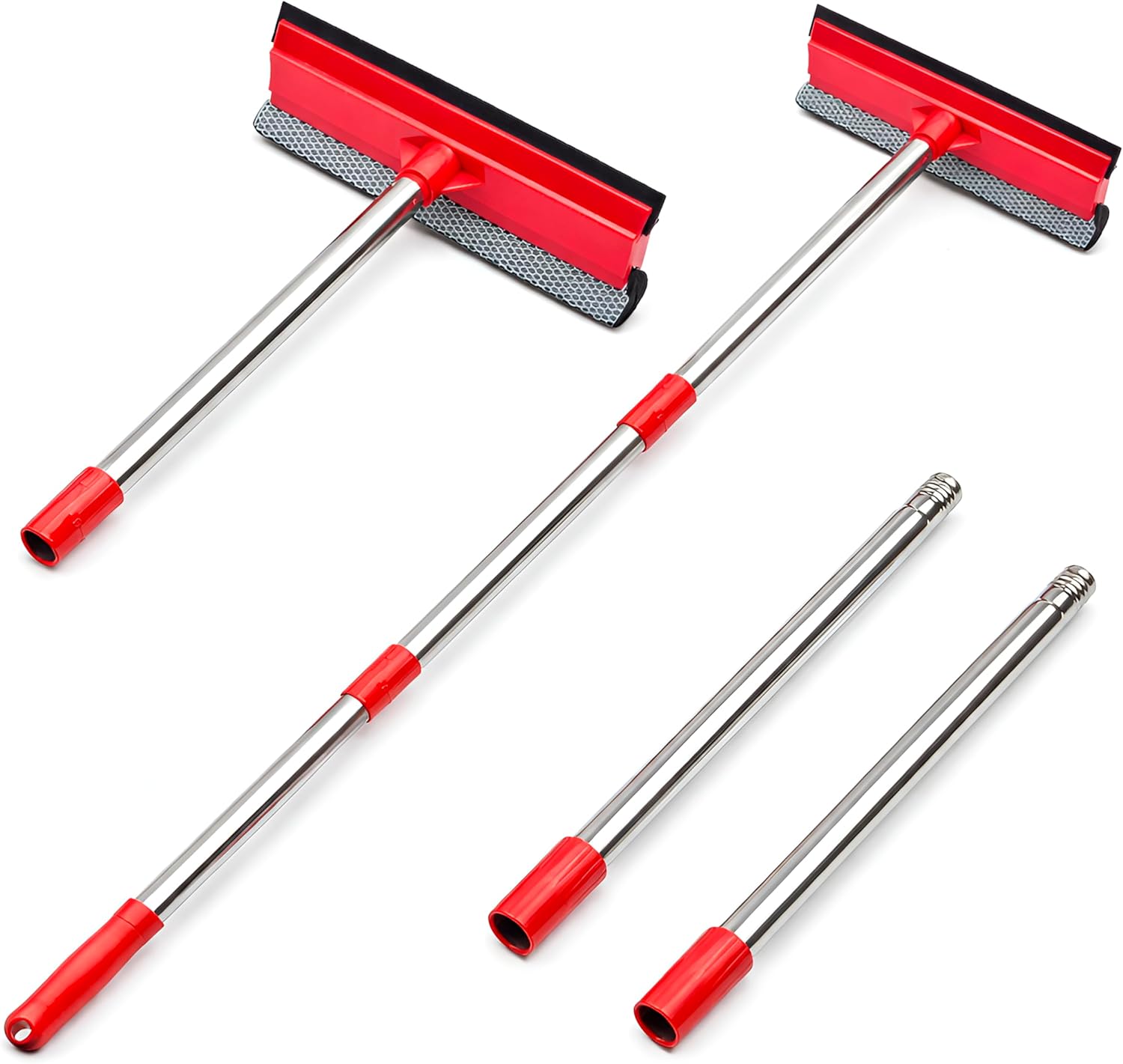
A contrasting third option because 55 in. extension and Squeegee + scrubber make it a practical reference point for tank size, process intensity and batch workflow.